
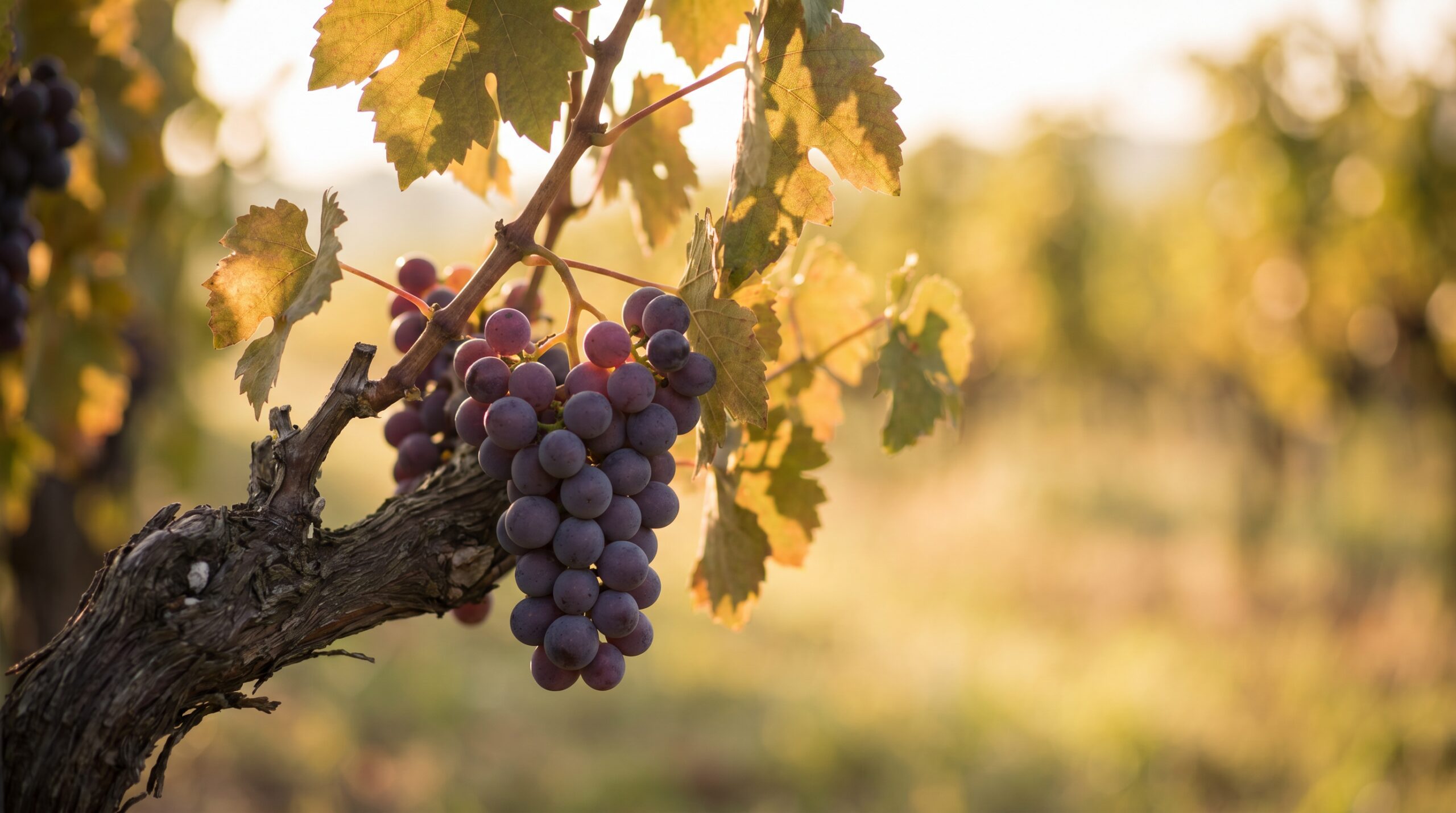
When Paul describes the fruit of the Spirit in Galatians 5:22-23, he uses a single Greek word — karpos, fruit, not fruits. That detail is small enough to miss and significant enough to change everything. He isn’t listing nine separate virtues for believers to pursue one at a time. He’s describing a single, unified character — the integrated expression of what a life shaped by the Holy Spirit begins to look like over time. Understanding that distinction changes not only how you read the passage but how you live the rest of your life as a Christian.
I had been a Christian for a few years before I encountered the fruit of the Spirit used as a personal assessment tool. The exercise invited you to rate yourself on each of the nine — love, joy, peace, patience, kindness, goodness, faithfulness, gentleness, self-control — on a scale of one to ten, identify your lowest scores, and then work on improving those specific areas. I filled it out conscientiously, identified patience and self-control as my weakest scores, and left feeling essentially like a spiritual report card that needed remedial work.
The framework was well-intentioned. It was also quietly doing something Paul never intended and never described.
When you read Galatians 5 carefully in its context, you find something very different from a nine-point improvement plan. You find a passage about soil and roots and the patient work of the Spirit in a life that belongs to God. You find a list that isn’t a list in the way we typically use that word — nine items to complete sequentially — but a portrait. A description of what a life increasingly looks like when the Spirit has been doing His work in it faithfully over time.
That distinction matters because it changes where you look. A checklist sends you looking at your performance. A portrait sends you looking at the Gardener.
Why Fruit, Not Fruits
Paul’s choice of the singular is deliberate and worth pausing on.
He had just listed the “works of the flesh” in verses 19-21, and there he used the plural — erga, works. Multiple discrete acts, each one separate, a disjointed catalog of behaviors in opposition to God. Then he pivots to describe what the Spirit produces, and the word changes to the singular. Not fruits of the Spirit. Fruit of the Spirit.
The nine qualities that follow — love, joy, peace, patience, kindness, goodness, faithfulness, gentleness, self-control — aren’t presented as nine separate categories with separate origins. They’re facets of one integrated character. They belong together and grow together in a life the Spirit is forming. The person who is genuinely growing in love will find that patience has company. The person whose joy is deepening will find that peace and gentleness are growing alongside it. Not because they’re managing nine separate projects but because the root system feeding them is the same.
This has practical consequences. When a single aspect of the fruit seems underdeveloped in your life — when patience is thin, or joy is hard to locate — the question isn’t usually “how do I specifically improve this one virtue?” The question is almost always “am I staying close to the Source that produces all of them?” The fruit doesn’t grow by targeting specific qualities. It grows by tending the root.
The Soil Matters More Than the Harvest
This is where the frame Jesus himself uses becomes essential. In John 15, he doesn’t tell his disciples to go out and produce fruit. He tells them to remain in Him, because a branch that is connected to the vine produces fruit naturally — and a branch that isn’t connected produces nothing at all regardless of effort (John 15:4-5).
Fruit is not the result of trying harder. It’s the result of staying connected.
Paul’s description of what the Spirit produces in Galatians follows directly from his description of what it means to walk by the Spirit (verse 16) and to be led by the Spirit (verse 18). The fruit isn’t the starting point — the relationship is. The Spirit produces love, joy, peace, and the rest as the natural output of a life that is genuinely connected to God, genuinely walking with Him, genuinely yielded to His formation.
This is why the Spirit’s primary work is formation, not just power — the patient, ongoing shaping of a life from the inside out. He isn’t producing a set of behaviors to display. He’s forming a character to inhabit. And character formation, like fruit, takes time.
The engine of formation is relationship, not effort. That means the believer’s primary responsibility isn’t to manufacture the fruit directly but to stay in the conditions where the Spirit can do His work — in Scripture, in prayer, in community, in honest engagement with God’s word. The harvest follows from the rootedness. You can’t reverse that sequence and expect the same result.
Identity Before the Harvest
There’s a reason Paul’s language in Galatians 5 is descriptive rather than imperative. He doesn’t say “produce love, produce joy, produce peace.” He says these are what the Spirit produces — they’re the result of His work in a life, not commands for the believer to execute independently.
That’s consistent with how God has always worked. Before He calls His people to anything, He tells them who they are. Declaration comes before instruction. Belonging comes before behavior. The sequence isn’t coincidental — it’s load-bearing. Obedience that flows from settled identity looks entirely different from effort that’s trying to establish an identity it doesn’t yet possess.
The fruit of the Spirit is not a goal believers work toward in order to become the kind of people God accepts. It’s the natural expression of lives that already belong to God and are being shaped by His Spirit. That’s not a subtle distinction — it’s the difference between a tree straining to produce fruit it doesn’t have and a tree simply growing into what it already is by nature.
Holiness doesn’t earn identity. It flows from it. The same is true of the fruit. It doesn’t produce belonging. It expresses it.
What the Nine Describe
With that frame established, the nine qualities Paul names make sense in a different way than a checklist reading allows.
They’re not arbitrary. Together they form a complete portrait of a person whose inner life, relationships, and integrity have been shaped by the Spirit into the image of Christ.
Love (agape) — the governing quality from which the others grow. Not the love of affection or attraction but the deliberate, self-giving orientation toward the good of another. Paul describes it exhaustively in 1 Corinthians 13 precisely because it’s the root from which so much else grows.
Joy — not happiness dependent on circumstances but the settled, confident gladness of someone who knows what they have and who they belong to. Joy in Paul’s usage runs through suffering and difficulty without being extinguished by them (Philippians 4:4).
Peace — not the absence of difficulty but the presence of settled wholeness — the Hebrew shalom brought into the New Testament. Peace with God (Romans 5:1) that produces the peace of God (Philippians 4:7), lived outward into relationships and circumstances.
Patience — the capacity to endure difficulty, disappointment, and the slowness of other people without collapsing into frustration or bitterness. The New Testament word (makrothumia) literally means long-fused — the opposite of short-temperedness.
Kindness — practical goodness in its relational expression. The quality of someone whose treatment of others reflects God’s own generous, gracious disposition toward people who haven’t earned it.
Goodness — moral integrity lived from the inside out rather than performed for an audience. Not goodness as a reputation to maintain but goodness as the natural shape of a life oriented toward what is right and true.
Faithfulness — reliability, consistency, trustworthiness over time. The quality that makes a person someone others can depend on — not brilliant in crisis but steady in the ordinary.
Gentleness — often translated meekness, which has been so badly misread that the Greek word (prautes) deserves a moment. It doesn’t mean weakness or passivity. It describes power held under control, strength that serves rather than dominates. Jesus used it of himself (Matthew 11:29), and it describes the person who is strong enough not to need to prove it.
Self-Control — the capacity to govern the appetites, impulses, and desires rather than being governed by them. Significantly, Paul places it last — not as the least important but as the quality that gives the others their integrity. A person who loves without self-control can be consumed. Joy without self-control becomes indulgence. Gentleness without self-control collapses under pressure.
None of these are isolated virtues. They describe one person — the person whose life the Spirit has been forming over time into the image of Christ. They’re not nine separate projects. They’re nine dimensions of a single, integrated, growing character.
About This Series
This article is the first in a series that will take each of the nine qualities in turn — not as a self-improvement curriculum but as a closer look at what the Spirit is actually doing when He works each one into a life. The goal is the same as the anchor text states: fruit grows through rootedness, not performance. Each article in this series aims to help the reader understand each quality well enough to stay close to the One who produces it.
The nine articles that follow are:
- Love as the Fruit of the Spirit (agape — the governing fruit)
- Joy as the Fruit of the Spirit (settled gladness under any circumstance)
- Peace as the Fruit of the Spirit (shalom — the wholeness the Spirit brings)
- Patience as the Fruit of the Spirit (the long-fused life)
- Kindness as the Fruit of the Spirit (practical goodness toward others)
- Goodness as the Fruit of the Spirit (integrity from the inside out)
- Faithfulness as the Fruit of the Spirit (steady reliability over time)
- Gentleness as the Fruit of the Spirit (strength held under control)
- Self-Control as the Fruit of the Spirit (governing the inner life)
Key Takeaways
- Paul uses the singular karpos — fruit, not fruits — deliberately. The nine qualities are facets of one integrated character produced by the Spirit, not nine separate achievements to pursue independently.
- Fruit grows from rootedness, not effort. The believer’s responsibility is to stay connected to the Source; the Spirit produces the fruit from that connection.
- The identity-before-obedience sequence governs this passage: the fruit is the natural expression of a life that already belongs to God, not the condition for earning that belonging.
- Love is the governing quality from which the others grow. The nine are not arbitrary — together they describe a complete portrait of a life shaped into the image of Christ.
- The frame that changes everything: you don’t produce the fruit by targeting each quality. You tend the root, and the fruit follows.
Questions Worth Sitting With
The fruit of the Spirit is the description Paul gives in Galatians 5:22-23 of what a life shaped by the Holy Spirit begins to look like over time. The nine qualities he lists — love, joy, peace, patience, kindness, goodness, faithfulness, gentleness, and self-control — are not nine separate virtues to pursue independently but facets of one integrated character that the Spirit produces in a believer as they stay connected to God. Fruit is the right word because it grows naturally from rootedness rather than being manufactured through effort.
The Greek word Paul uses is karpos — singular, not plural. That’s deliberate. The works of the flesh he lists just before are in the plural (erga) — a disjointed catalog of separate acts. The Spirit’s output is singular: one integrated character with nine dimensions, not nine separate projects. A believer doesn’t develop love independently of peace, or grow in kindness while ignoring gentleness. The qualities grow together because they share the same root.
No — and treating it as one produces the opposite of what the passage describes. A checklist sends you looking at your performance. Paul’s language sends you looking at the Gardener. The fruit isn’t produced by targeting each quality directly; it’s produced by staying connected to the Spirit who grows it. The believer’s responsibility is rootedness — staying in Scripture, prayer, community, and genuine fellowship with God — and the fruit follows from that. You can’t reverse the sequence and expect the same result.
By staying close to the Source that produces it. Jesus makes this explicit in John 15: the branch that remains connected to the vine produces fruit naturally; the branch that isn’t connected produces nothing regardless of effort. Practically, that means maintaining the habits that keep you genuinely connected to God — reading Scripture with openness, praying honestly, staying in Christian community, and yielding to the Spirit’s work of formation rather than resisting it. The fruit grows from that rootedness. It can’t be manufactured directly.
Love is the governing quality from which the others grow. Paul lists it first, and his extended description of it in 1 Corinthians 13 shows that he understood it as the root of the Christian character. The other eight qualities — joy, peace, patience, kindness, goodness, faithfulness, gentleness, self-control — are all dimensions of what love looks like in specific contexts and relationships. A life genuinely shaped by love will find the others growing alongside it.
Since Paul describes the fruit as a singular, unified character rather than nine separate achievements, the question is better framed as: in what areas is the Spirit’s formation work more visibly developed and in what areas is it earlier in the process? All believers are at different stages of growth in different areas. But the goal isn’t to develop each quality in isolation — it’s to stay connected to the Spirit who forms the whole character together. Imbalance is a signal to tend the root, not to target the specific fruit that seems underdeveloped.
No. Paul says “walk by the Spirit” — active, directional movement. He also says “keep in step with the Spirit” — attentive, cooperative engagement. The fruit grows from rootedness, but rootedness is not passivity. Reading Scripture, praying, staying in community, choosing repentance over avoidance — these require genuine effort. What changes is the frame: the effort is directed toward staying connected to the Source, not toward manufacturing the fruit directly. You work out what God is working in, as Paul writes in Philippians 2:12-13. The effort is real; the transformation behind it is the Spirit’s.
The fruit of the Spirit is not a report card. It’s a portrait — drawn slowly, over years, by the same Spirit who lives in you and who has been patiently shaping you since the day you first belonged to God. The question worth asking isn’t “how am I scoring on each of the nine?” It’s the simpler and more honest one: am I staying close to the One who grows them? Everything else follows from that.
Christ reigns. Christ restores. Christ will return.
Longing for Christ, learning to wait faithfully.
Your brother in Christ,
Duane