
Doubt is a normal part of the Christian life, not a sign that faith has failed. Scripture is honest about believers who questioned, wrestled, and held incomplete pictures of what they trusted — and God met them in that honesty rather than withdrawing from it. What a believer does with doubt matters more than whether doubt arrives.
I’ve had conversations with people who were afraid to say out loud that they had questions — real questions, not rhetorical ones. Questions about whether God is actually there, whether the resurrection really happened, whether any of this is true. They said it quietly, like confessing a crime, because somewhere along the way they had absorbed the idea that doubt was the opposite of faith. That a good Christian didn’t struggle with belief. That the questions themselves were evidence something had gone wrong.
That understanding of faith isn’t the one Scripture presents.
Thomas, one of the twelve disciples — men who had walked with Jesus, heard Him teach, watched Him heal — said flatly that he would not believe the resurrection without physical evidence:
“Unless I see in his hands the mark of the nails, and place my finger into the mark of the nails, and place my hand into his side, I will never believe.”
John 20:25
That’s not a polite hesitation. That’s a hard refusal. Jesus didn’t remove Thomas from the group. He showed up again and invited Thomas to examine the wounds.
Doubt Is Not the Opposite of Faith
This matters enough to say directly: doubt and faith are not opposites. The opposite of faith is unbelief — a settled, deliberate decision to reject. Doubt is something else. It’s the presence of questions in the midst of trust, or the struggle to trust in the face of uncertainty. That’s a very different thing.
Psalm 73 begins with one of the most honest statements of theological crisis in all of Scripture. The writer, Asaph, admits that his footing had nearly slipped — that he had almost concluded the whole project of faithful living was pointless when he saw the wicked prospering and the righteous suffering (Psalm 73:2–14). This is not a mild intellectual puzzle. This is someone whose grip on faith was genuinely loosening.
And yet the Psalm is in the Bible. It wasn’t excluded because it expressed doubt. It was preserved because it named something real, and because it didn’t end there.
Where Doubt Usually Lives
Doubt tends to cluster around certain kinds of questions. Some of the most common: Does God actually exist? Did the resurrection really happen? Does God care about what happens to me personally? Why does a good God allow so much suffering?
None of these questions are signs of spiritual deficiency. They’re the questions every thoughtful believer eventually wrestles with, and they’ve occupied some of the sharpest Christian minds in history.
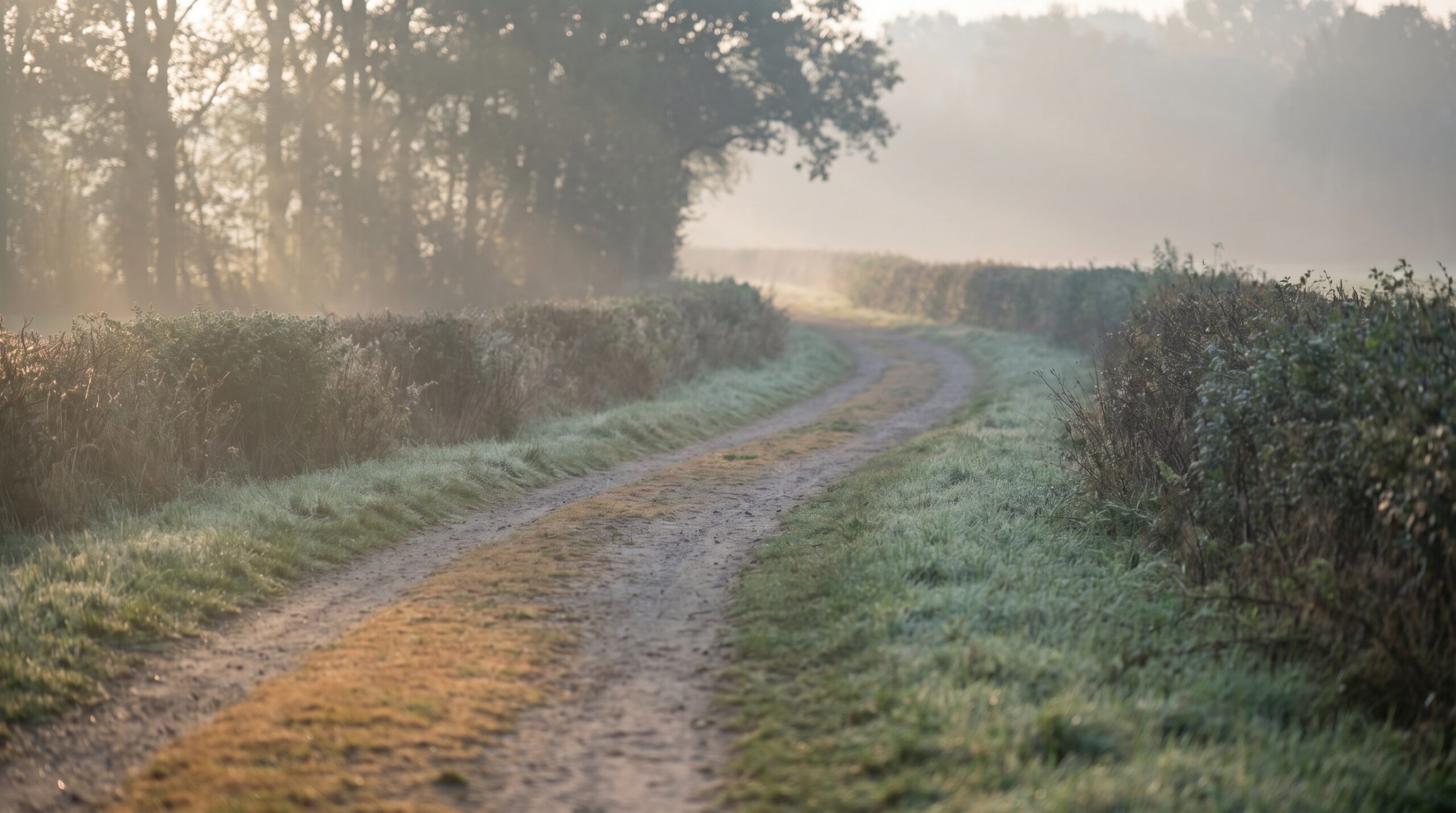
Doubt also arrives in seasons. It often comes during suffering, when the gap between what we believe about God and what we’re experiencing feels widest. It comes during seasons of spiritual flatness, when faith feels like reciting things you used to mean. It comes when someone you trusted presents a challenge you don’t have an answer for. The season of doubt is not a sentence. It’s a stretch of road.
What to Do With the Questions
The worst thing you can do with honest questions is bury them. Questions that go underground don’t go away. They just work on you quietly, unseen, and tend to surface later with more force than if they’d been addressed.
Bring the questions into the open. Not necessarily to broadcast them, but to name them honestly — first to God, and then to someone you trust. The Psalms model this: doubts addressed to God directly, in plain language. That is not faithlessness. It is honest prayer.
Stay in community. The temptation during a season of doubt is to withdraw from the people of faith — because it feels dishonest to be present when you’re not sure you believe what they’re singing. But withdrawal tends to compound the doubt. Community holds you in a story larger than your present struggle. The biblical case for community is built on exactly this.
Let doubt drive you toward the questions, not away from them. Many people who doubted and emerged on the other side of it found that the investigation itself — reading, asking, studying — ended up strengthening rather than undermining faith.
Hold what you do know. In a season of doubt, it helps to identify what you do believe clearly, even if it’s a small foundation. Not what you’re uncertain about, but what remains solid. That’s a foundation to stand on while the larger questions are worked through.
A Word About What Doubt Can Produce
Psalm 73 doesn’t end in crisis. The writer goes into the sanctuary, and something shifts — not because the circumstances changed, but because perspective changed. He sees the whole picture, not just the slice he’d been staring at. The Psalm ends with one of Scripture’s most remarkable expressions of settled trust:
“Whom have I in heaven but you? And there is nothing on earth that I desire besides you.”
Psalm 73:25
That movement — from near-collapse to that kind of settledness — is the testimony of a faith that was tested and became steadier for it. Not because doubt is good, but because honest engagement with it, in God’s presence, can produce a faith with deeper roots than it had before.
Your doubts don’t disqualify you from God’s grace. They make you someone who is taking faith seriously enough to wrestle with it. What faithful endurance looks like in practice is worth understanding — it’s the same steady return, over the long stretch. If your doubt is less about whether the faith is true and more about whether you truly belong to Christ, start with what Scripture says when you wonder if you’re saved.
Key Takeaways
- Doubt and unbelief are not the same thing; doubt is questions held within the struggle to trust, not the settled rejection of God.
- Scripture preserves honest expressions of doubt — Thomas, Asaph in Psalm 73 — without removing the doubters from God’s story.
- Burying doubt doesn’t resolve it; bringing questions into honest prayer and trusted community is the more faithful path.
- Staying present in community during seasons of doubt is one of the most important things a doubting believer can do.
- Honest engagement with doubt in God’s presence often produces a faith that is steadier and more rooted than it was before the questions arrived.
Questions Worth Sitting With
No. Faith is trust, not certainty — and trust includes the wrestling. Thomas doubted the resurrection and was not excluded; Jesus came back specifically to meet him in his doubt. Scripture consistently shows God engaging honest questioners rather than abandoning them. What you do with the doubt matters more than whether it arrives.
Long seasons of doubt deserve honest attention and, when possible, honest community. A pastor, mentor, or mature believer who can sit with you in the questions — without demanding that you resolve them on a schedule — is one of God’s ordinary means of sustaining faith through difficulty. You don’t have to figure this out alone.
No. Remaining present in Christian community while working through questions is not hypocrisy. It’s one of the wisest things you can do. Community holds a story larger than your individual struggle, and staying present often allows God to work in ways that withdrawal prevents.
Some questions won’t be resolved fully in this life. The Christian faith doesn’t claim to provide answers to everything — it claims that Jesus is trustworthy, that the resurrection happened, and that God is faithful. Within that framework, significant mystery remains, and learning to hold that mystery without it destroying trust is part of what mature faith looks like.
Worth examining: is the doubt accompanied by an honest desire to find the truth, or by a growing desire to justify what you’ve already decided? Doubt that drives you toward investigation, prayer, and community is very different from doubt used as a reason to disengage. The first is honest wrestling. The second can become settled departure. A trusted pastor or mentor can help you discern which you’re in.
Christ reigns. Christ restores. Christ will return.
Longing for Christ, learning to wait faithfully.
Your brother in Christ,
Duane