
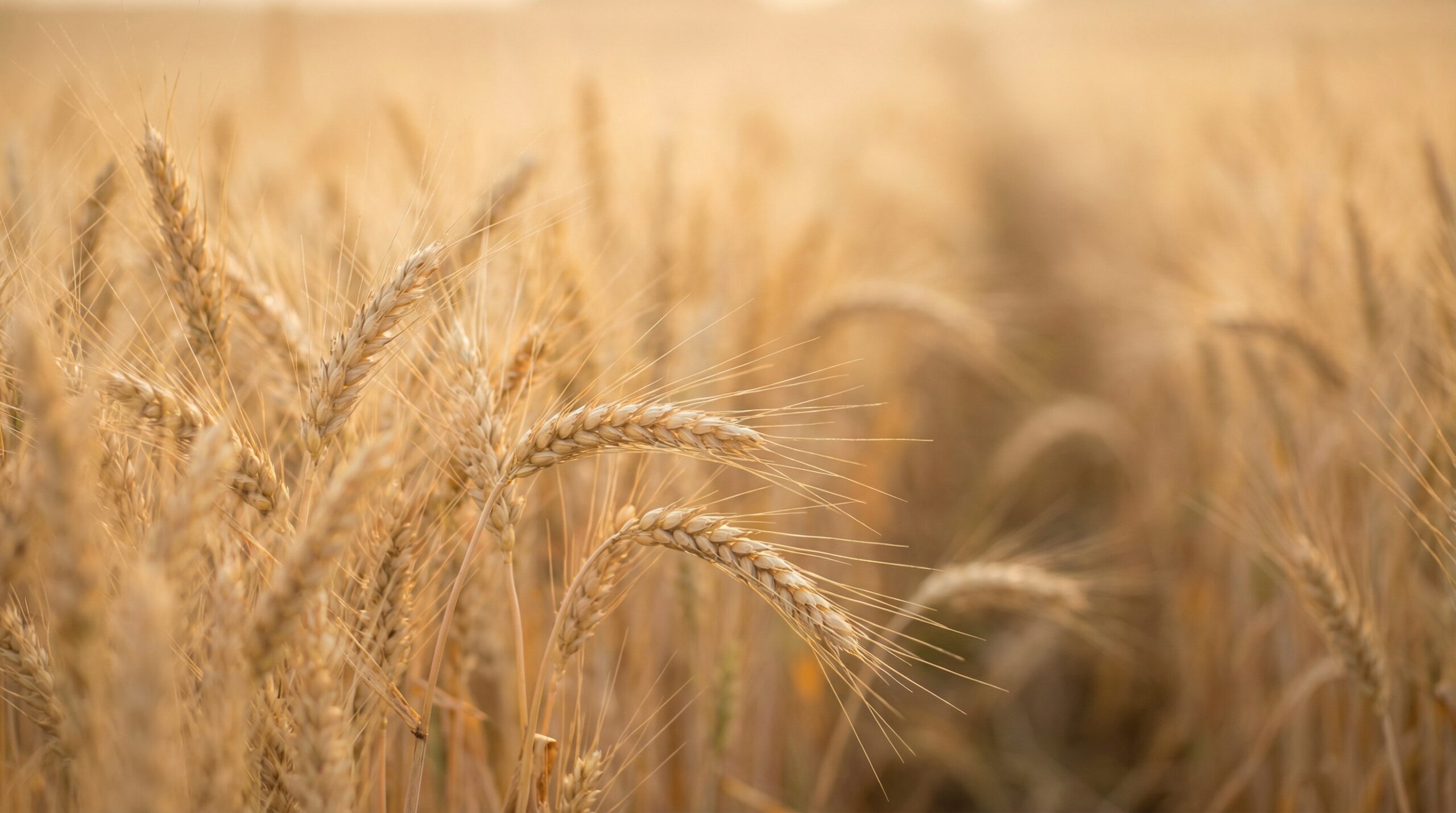
In Matthew 13, Jesus tells a parable about a farmer who plants good seed, only to find weeds growing among the wheat. His servants want to pull them up immediately. The farmer says no. Wait until the harvest. Let the angels handle the sorting.
That instruction — the “no” — is the heart of the parable. And it’s the part most readings skip past.
I’ve been in communities where the parable was used to justify exactly the opposite of what Jesus said. Someone decides who the weeds are, and then spends considerable energy making sure everyone knows it. The motivation is usually sincere — genuine concern about false teaching, about people who seem to be in but aren’t really of. But the method inverts the parable’s lesson entirely. Jesus’s instruction to the servants was explicit: don’t pull the weeds. You’ll damage the wheat trying.
The parable isn’t a manual for weed identification. It’s a teaching about restraint — and about what that restraint reflects about trust in God.
The Parable and Jesus’s Explanation
Jesus tells the parable in Matthew 13:24–30, and then — unusually — explains it in detail when the disciples ask (Matthew 13:36–43). Both halves belong together:
“He put another parable before them, saying, ‘The kingdom of heaven may be compared to a man who sowed good seed in his field, but while his men were sleeping, his enemy came and sowed weeds among the wheat and went away. So when the plants came up and bore grain, then the weeds appeared also. And the servants of the master of the house came and said to him, “Master, did you not sow good seed in your field? How then does it have weeds?” He said to them, “An enemy has done this.” So the servants said to him, “Then do you want us to go and gather them?” But he said, “No, lest in gathering the weeds you root up the wheat along with them. Let both grow together until the harvest, and at harvest time I will tell the reapers, Gather the weeds first and bind them in bundles to be burned, but gather the wheat into my barn.”‘”
(Matthew 13:24–30, ESV)
In His explanation, Jesus identifies the elements precisely: the sower is the Son of Man, the field is the world, the good seed are the sons of the Kingdom, the weeds are the sons of the evil one, the enemy is the devil, the harvest is the end of the age, and the reapers are angels (Matthew 13:38–39).
That identification matters. The field isn’t the church — it’s the world. And the sorting isn’t entrusted to believers — it’s entrusted to angels at the end of the age. Both of those details shape what the parable is actually teaching.
Why the Master Said No
The servants’ impulse was reasonable. They saw a problem and wanted to fix it. But the master’s reasoning is instructive: pulling the weeds risks uprooting the wheat. The roots are intertwined. What looks like a clean extraction from the outside is more damaging than leaving things alone.
Jesus is teaching something about the limits of human judgment. Identifying with certainty who is genuinely the wheat and who is genuinely the weed requires a precision that belongs to God, not to His servants. The servants in the parable are not lacking in concern or in good intentions. They lack the ability to sort without causing harm.
This is a consistent thread in Jesus’s teaching about judgment. In Matthew 7:1–5, the person with a log in their own eye trying to remove the speck from their brother’s eye is making the same category error — assuming a clarity of sight they don’t actually have. In Luke 9:54–55, when James and John want to call down fire on a Samaritan village, Jesus rebukes them. The impulse to enforce boundaries and execute judgment is repeatedly restrained in the Gospels — not because the boundaries don’t matter, but because premature, human-driven judgment tends to damage more than it repairs.
What the Parable Doesn’t Mean
This parable is sometimes misread in two opposite directions, and it’s worth naming both.
It doesn’t mean the church should have no standards. The New Testament elsewhere is clear that communities of faith are responsible for how they function — for addressing sin within the body (Matthew 18:15–17), for testing teaching (1 John 4:1), for recognizing false teachers by their fruit (Matthew 7:15–20). Those instructions are real and haven’t been revoked. The parable of the weeds doesn’t override them.
But it also doesn’t mean believers are called to identify and expose the weeds among them. The parable’s specific instruction — leave the sorting to God — applies precisely to the kind of confident, final categorization of who is genuinely in and who is genuinely out that human beings are poorly positioned to make. The servants in the parable weren’t wrong to notice the weeds. They were wrong to assume pulling them was their job.
The distinction matters pastorally. There is a difference between a community that takes seriously the responsibility to teach truth, address sin, and test teaching — and a community that spends its energy identifying who the false believers are. The first is faithful. The second tends toward the very damage the master was warning against.
What Faithful Growth Looks Like
The master’s instruction — let both grow together until the harvest — implies something about what the wheat is supposed to be doing in the meantime. Not weed-watching. Growing.
The parable of the weeds sits in Matthew 13 alongside the hidden treasure, the pearl of great price, and the parable of the sower. Together they develop a picture of what the Kingdom looks like from the inside — discovered with joy, worth everything, received into different kinds of soil with different results. The weeds parable adds a dimension to that picture: the Kingdom’s growth happens in a world where opposition is real and where not everything that looks like wheat is wheat. But the response to that reality isn’t vigilance toward others. It’s faithfulness in your own growth and trust that the harvest belongs to God.
Paul develops the same posture in 1 Corinthians 4:3–5, where he refuses to pass judgment even on himself, let alone on others: “It is the Lord who judges me. Therefore do not pronounce judgment before the time, before the Lord comes, who will bring to light the things now hidden in darkness and will disclose the purposes of the heart.”
The harvest is coming. The sorting will be thorough, accurate, and final. The reapers know what they’re doing. And the wheat’s job between now and then is to be wheat — to grow, to bear grain, to trust the farmer.
Key Takeaways
- The heart of the parable isn’t weed identification — it’s the master’s instruction not to pull them. Jesus’s “no” to the servants is the lesson: premature, human-driven sorting risks damaging the wheat trying to extract the weeds.
- Jesus identifies the field as the world, not the church — and the reapers as angels, not believers. The final sorting belongs to God at the end of the age, not to His servants in the present.
- The parable doesn’t override other New Testament instructions about testing teaching, addressing sin within the church, or recognizing false teachers by their fruit. Those responsibilities remain. What the parable restrains is the confident, final categorization of who is genuinely in and who is genuinely out.
- The impulse to identify and pull the weeds — however sincere — tends to damage more than it repairs. Human judgment about who is genuinely wheat and who is genuinely weed lacks the precision the task requires.
- The wheat’s job between now and the harvest is to grow, bear grain, and trust the farmer. The harvest is coming, and the sorting will be thorough, accurate, and final. That confidence frees believers from the anxious work of doing God’s job for Him.
Questions Worth Sitting With
The parable’s central lesson is the master’s instruction not to pull the weeds before the harvest — because human sorting risks damaging the wheat in the process. Jesus is teaching restraint regarding final judgment, not a method for detecting false believers. The field is the world, not the church, and the final sorting is entrusted to angels at the end of the age, not to believers in the present. The wheat’s role between now and the harvest is to grow faithfully and trust that the harvest belongs to God.
Jesus explains the parable himself in Matthew 13:36–43. The sower is the Son of Man, the field is the world, the good seed are the sons of the Kingdom, the weeds are the sons of the evil one, the enemy is the devil, the harvest is the end of the age, and the reapers are angels. This identification is important — the field is not the church but the world, and the reapers are not believers but angels. The final sorting belongs to God at the end of the age, not to His servants in the present.
No — and the article is careful to make this distinction. The New Testament elsewhere gives clear responsibilities for communities of faith: addressing sin within the body (Matthew 18:15–17), testing teaching against Scripture (1 John 4:1), recognizing false teachers by their fruit (Matthew 7:15–20). Those responsibilities are real and haven’t been revoked. What the parable of the weeds specifically restrains is the confident, final categorization of who is genuinely in and who is genuinely out — the kind of human sorting that tends to damage what it’s trying to protect.
The master’s reason in the parable is precise: pulling the weeds risks uprooting the wheat along with them. Their roots are intertwined, and what looks like a clean extraction from the outside is more damaging than leaving things alone until the harvest. Jesus is making a point about the limits of human judgment — identifying with certainty who is genuinely wheat and who is genuinely weed requires a precision that belongs to God, not to His servants. The impulse to purify the community, however sincere, tends to damage more than it repairs when it’s carried out by human hands before the appointed time.
The parable isn’t primarily addressed to individuals asking that question about themselves — it’s addressed to servants who want to sort others. But the honest answer is that the assurance the New Testament gives to believers comes not from self-examination but from trust in Christ. First John 4:13 says “by this we know that we abide in him and he in us, because he has given us of his Spirit.” The confidence that belongs to believers isn’t produced by passing a self-scrutiny checklist — it’s received from the One who planted the good seed. If you’re genuinely turning toward Christ, trusting Him, and seeking to follow Him, that orientation is itself evidence of the Spirit’s work. The harvest belongs to God, and so does the judgment about who is wheat.
The servants in the parable weren’t wrong to be concerned. They saw the weeds and they cared about the field. But the farmer knew something they didn’t: that their intervention, however well-intentioned, would cause the very damage they were trying to prevent.
Jesus tells His disciples the same thing. The harvest is real. The judgment is real. The distinction between wheat and weeds is real and will be made fully and finally. But that work belongs to God — and the freedom that comes from leaving it there is one of the more underappreciated gifts the parable offers.
Grow. Bear grain. Trust the farmer.
Christ reigns. Christ restores. Christ will return.
Longing for Christ, learning to wait faithfully.
Your brother in Christ,
Duane