Living Faithfully When the World Says “Peace and Security”
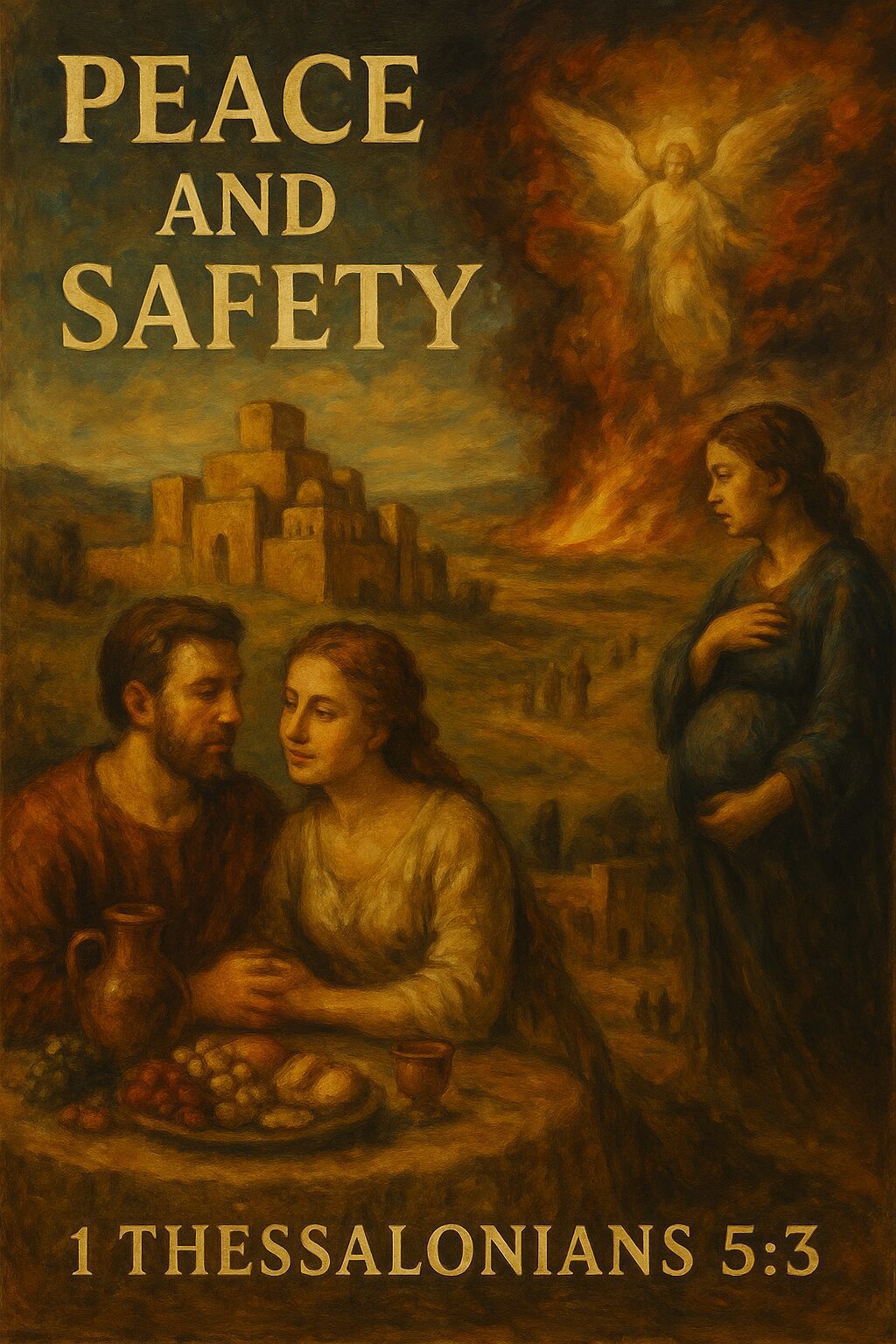
Scripture’s language of “peace and security” calls believers to discernment, not speculation, grounding confidence in Christ’s unshakable reign rather than human stability.
Living faithfully today as citizens of God's Kingdom
The Bible calls believers to watchfulness—not fear or speculation. This pillar addresses the “last days” as a call to readiness, faithfulness, and steady obedience rather than timelines or predictions. Prophecy is explored as formation for faithful living today, grounded in hope and trust in Christ’s return.
Scripture’s language of “peace and security” calls believers to discernment, not speculation, grounding confidence in Christ’s unshakable reign rather than human stability.
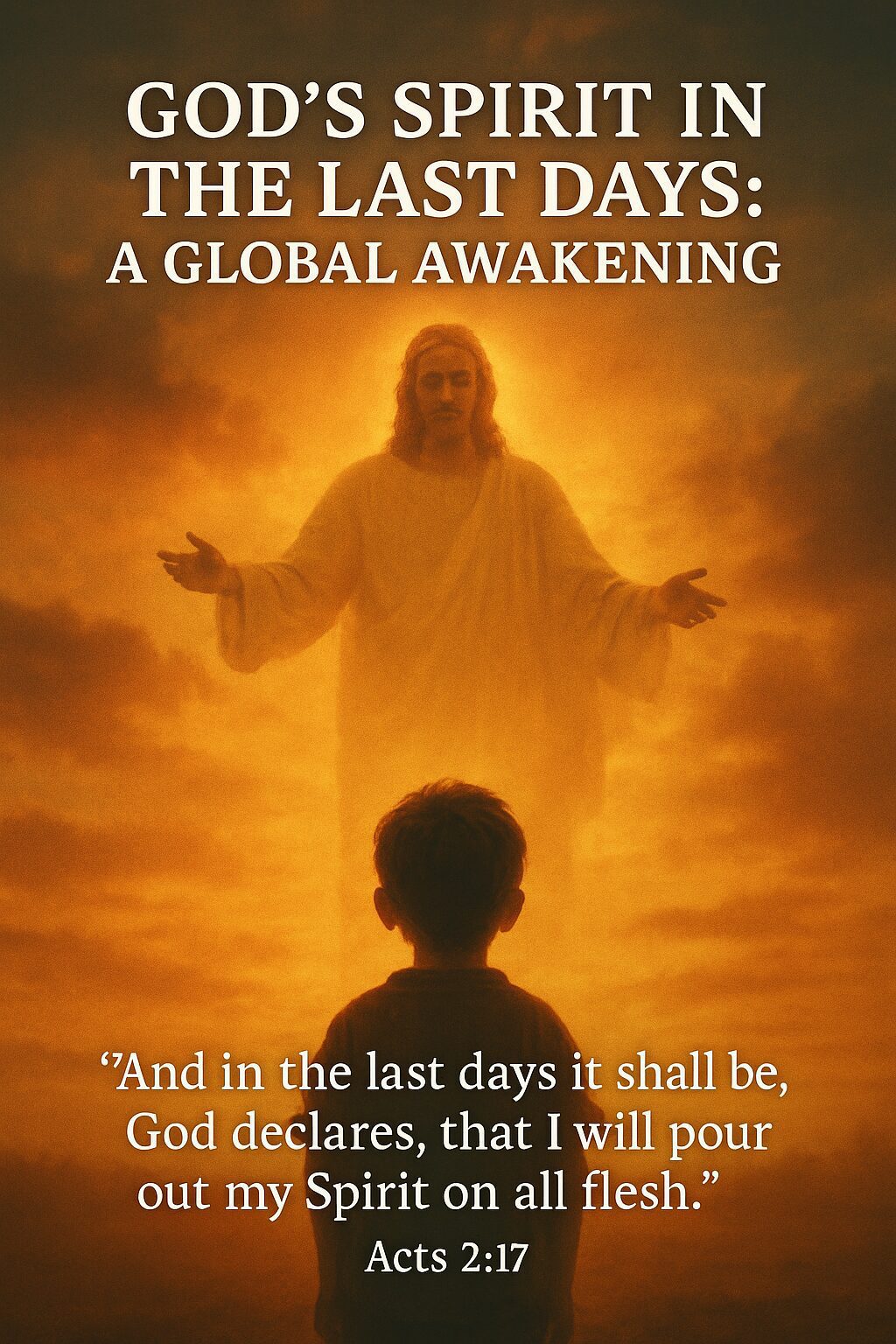
Acts 2 reminds us that the last days are not a cause for fear but a season of grace, where God’s Spirit continues to awaken hearts and lead His people into faithful living under Christ’s reign.

Christ’s return invites reflection rather than fear. Scripture calls believers to anchor their hope in Christ and live faithfully while trusting God with the future.

What did Paul mean by “peace and safety”? This article explains the biblical contrast between human confidence and Christ’s lasting peace—and how believers live ready without fear.
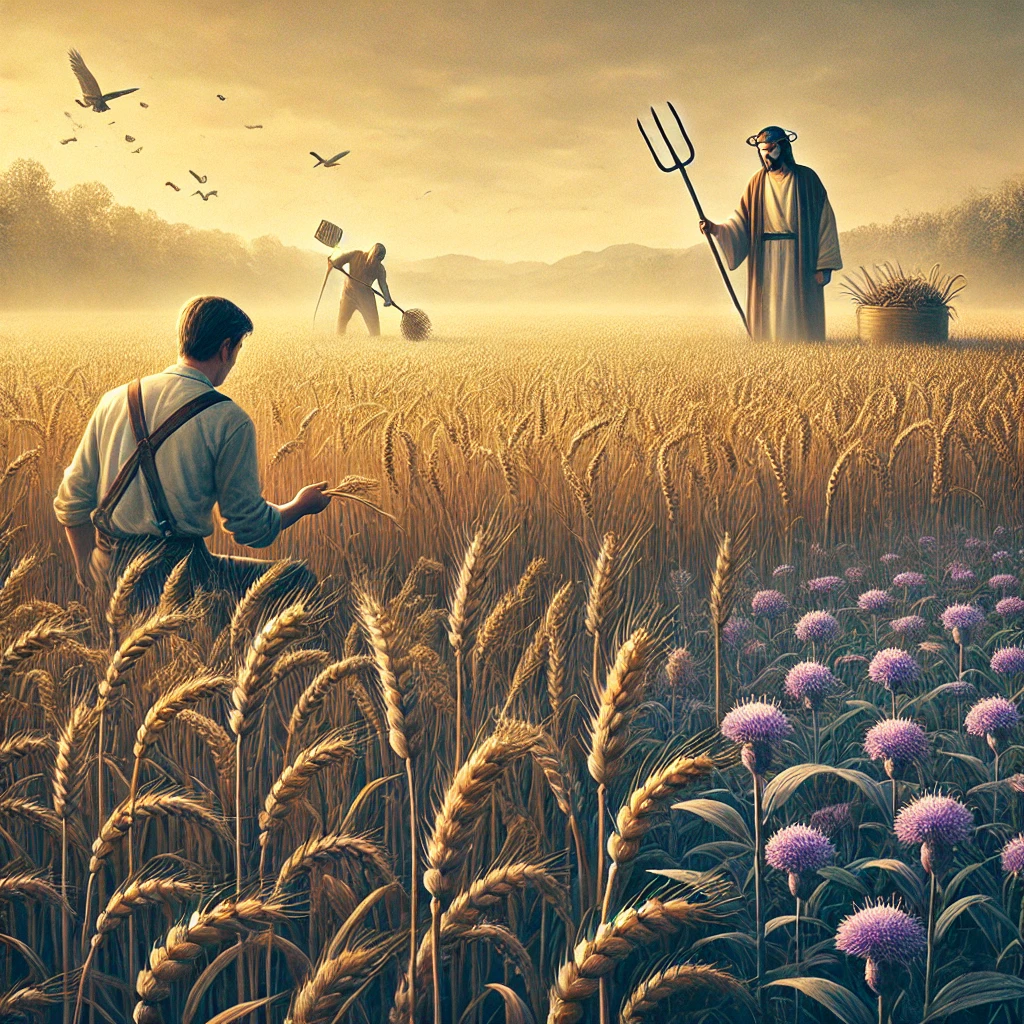
Explore the Parable of the Weeds from Matthew 13:24-30 and learn its significance in distinguishing true believers from imposters. Reflect on your faith, commitment to Christ, and actions to ensure you are not an imposter among Christians. Use our guide to self-scrutinize, compare teachings to God’s Word, and cultivate genuine faith.

In today’s world, many Christians hold strong views on end-times prophecy, but are we repeating the mistakes of the Pharisees? Just as they missed the Messiah due to rigid expectations, we too might overlook God’s true plan. Explore the importance of humility, openness, and faithful living in interpreting prophecy. Let’s remain vigilant and ready, trusting in God’s perfect timing.

This article examines what Jesus actually meant when He compared His return to the days of Noah — exploring why He highlighted ordinary unawareness rather than unique wickedness, what the Greek word ouk egnōsan reveals about Matthew 24:39, and why the formative warning Jesus presses on His disciples is about the kind of person you’re becoming in the ordinary days before the return.

This article examines the Mark of the Beast with biblical clarity rather than speculation — explaining why Scripture presents it as a deliberate act of conscious allegiance rather than an accidental or technological development, and why understanding it correctly produces settled confidence in Christ’s present reign rather than anxiety about what might come.

This article examines what biblical prophecy is actually for — exploring why the one-third statistic points toward formation rather than urgency, how fulfilled prophecy functions as cumulative evidence of God’s faithfulness rather than a map to follow, and why the right response to prophetic truth is the same as Job’s: not “I understand the plan” but “I trust the One whose word has never failed.”

This teaching examines how cultural and social pressure tests Christian allegiance gradually — and why formed discernment, rooted in Scripture and settled identity in Christ, is what keeps believers steady when compliance feels easier than faithfulness.